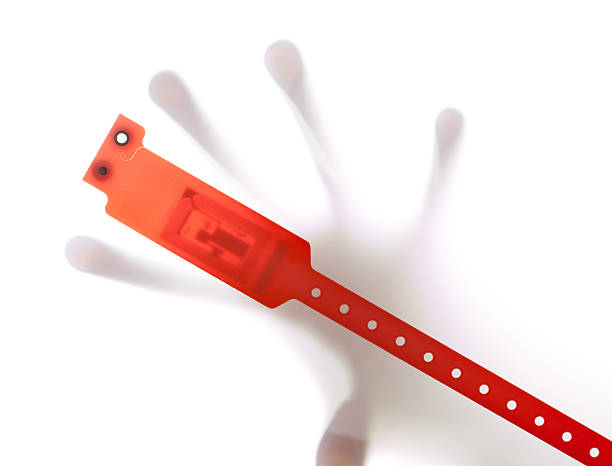
How To Use RFID
Using Radio-Frequency Identification (RFID) technology involves several key steps, and its application can vary depending on the specific use case. Here’s a general overview of how to use RFID:
- Select the Right RFID System: Before using RFID, identify the specific requirements of your application. Consider factors such as the type of RFID tags needed (passive or active), frequency range (LF, HF, UHF), and the reading distance required. Choose an RFID system that aligns with your use case.
- Acquire RFID Tags and Readers: Purchase RFID tags that are suitable for your application. RFID tags come in various forms, including adhesive labels, key fobs, cards, and embedded chips. Additionally, acquire RFID readers that operate on the same frequency as your tags. The reader is responsible for sending and receiving signals to communicate with RFID tags.
- Tagging Objects or Items: Attach or embed RFID tags onto the objects or items you want to track. Depending on the application, this could involve affixing tags to products, assets, or even integrating tags into identification cards or access badges.
- Configure RFID Readers: Set up and configure RFID readers according to your requirements. This may include adjusting reading distances, enabling specific features, and ensuring compatibility with the RFID tags being used. Configuration settings may vary depending on the manufacturer and model of the RFID reader.
- Establish Communication: Position the RFID reader in a location where it can establish communication with the RFID tags on the objects. The reader emits radio waves, which power passive RFID tags and prompt them to transmit their unique identifiers and any additional data.
- Data Capture and Processing: As RFID tags transmit data, the RFID reader captures this information. The captured data typically includes the unique identifier of each RFID tag. Process the captured data using software or backend systems that are compatible with your RFID solution. This may involve integrating RFID data into existing databases or inventory management systems.
- Implement RFID Software: Deploy RFID software to manage and analyze the data collected by the RFID system. This software may offer features such as real-time tracking, reporting, and integration with other business processes. Some RFID solutions come with proprietary software, while others can be integrated into existing enterprise systems.
- Application-Specific Use Cases: Depending on the application, the use of RFID can vary. For example:
- Ensure Security and Privacy Measures: Implement security measures to protect the data transmitted by RFID tags. Depending on the application, this may include encryption, access controls, and secure communication protocols. Address privacy concerns by adopting best practices in data handling and storage.
- Regular Maintenance and Updates: Regularly maintain and update your RFID system to ensure optimal performance. This may involve checking hardware components, updating software, and addressing any issues that may arise during operation. In retail, RFID is used for inventory management, reducing stockouts, and improving the accuracy of stock counts. In access control, RFID is employed for secure entry systems using RFID cards or key fobs. In logistics, RFID helps track the movement of goods throughout the supply chain, enhancing visibility and reducing errors.
Using RFID technology effectively involves careful planning, proper implementation, and ongoing maintenance. Whether applied in retail, logistics, healthcare, or other industries, RFID systems have the potential to streamline processes, enhance visibility, and improve overall operational efficiency.